- Home
- About Us
- Products
- Product knowledge
-
News Center
News Center
- Contact Us



The global high-temperature industrial landscape is undergoing a profound reconfiguration, and in 2026, China's refractory sector has emerged as a focal point of this transformation. Recent customs data highlights a significant structural shift characterized by simultaneous growth in volume and market diversification. For instance, while refractory clay remains a staple export to traditional markets like Japan and India, a sharp spike in imports underscores a growing domestic appetite for specific high-end raw materials. This dual-track momentum signals China's transition from a pure resource exporter to a sophisticated hub for global resource allocation and high-value product manufacturing.
Magnesia products have demonstrated the most robust performance within the current trade cycle. At the start of 2026, export volumes for magnesia more than doubled, with the United States, Indonesia, and India emerging as top destinations. This surge is propelled by a recovery in global steel and cement production, combined with the technical prowess of major production hubs like Liaoning Province. Interestingly, while the import volume remains modest, the concentration of sourcing from technologically advanced nations such as Japan and the Netherlands reveals a strategic focus on acquiring ultra-high-purity materials to supplement domestic high-tech applications.
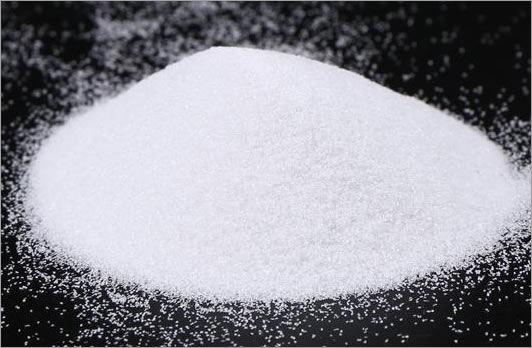
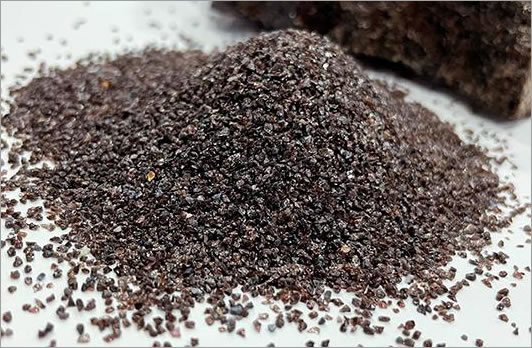
In the realm of artificial corundum, including brown and other specialized varieties, the trade flow is becoming increasingly concentrated in key industrial provinces like Henan and Hainan. These regions leverage "General Trade" protocols to supply major economies, including India and the U.S. Notably, the export growth of advanced artificial corundum has reached triple digits, suggesting a rapid expansion into new frontiers such as semiconductor polishing and precision casting. Conversely, imports from Europe—specifically Poland and Austria—highlight the enduring synergy between China and European manufacturers in the field of high-performance abrasives.
Silicon carbide, a critical component for semiconductors and high-temperature structural parts, serves as a barometer for supply chain sensitivity. In February 2026, China's silicon carbide imports surged by over 400%, primarily sourced from neighboring North Korea, indicating deep regional resource integration. On the export front, a growth rate exceeding 140% was recorded, driven by global demand for clean energy equipment and electric vehicle components. This shift confirms silicon carbide's evolution from a traditional refractory aggregate into a strategic industrial material with global significance.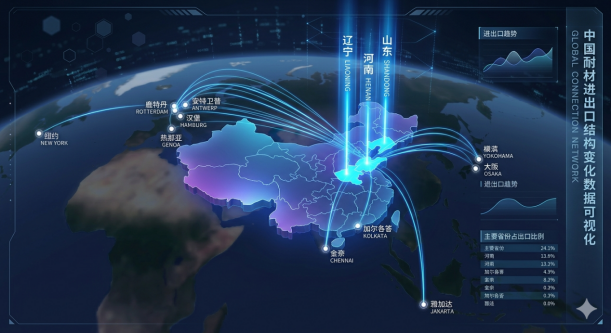
In conclusion, China's refractory trade structure is successfully pivoting from being "resource-driven" to "value-chain-driven." While general trade remains the dominant mode, provincial specialization is becoming more defined: Liaoning maintains its role as the resource bedrock, while provinces like Jiangsu, Shandong, and Henan lead the way in high-tech processing. As the global green industry demands longer-lasting, low-carbon refractory solutions, China is poised to transcend its role as a mere volume supplier, becoming a vital stabilizer for global industrial standards and supply chain security through continuous technical innovation.

 0371-65798188
 sjs@shinjiasheng.com
 Tianyi Mansion, Room 1509, No. 129 Huang He Road, Zhengzhou, China